Journal ·
Letting food speak — and listening
On restraint, and why the best thing a cook can do is often nothing at all.
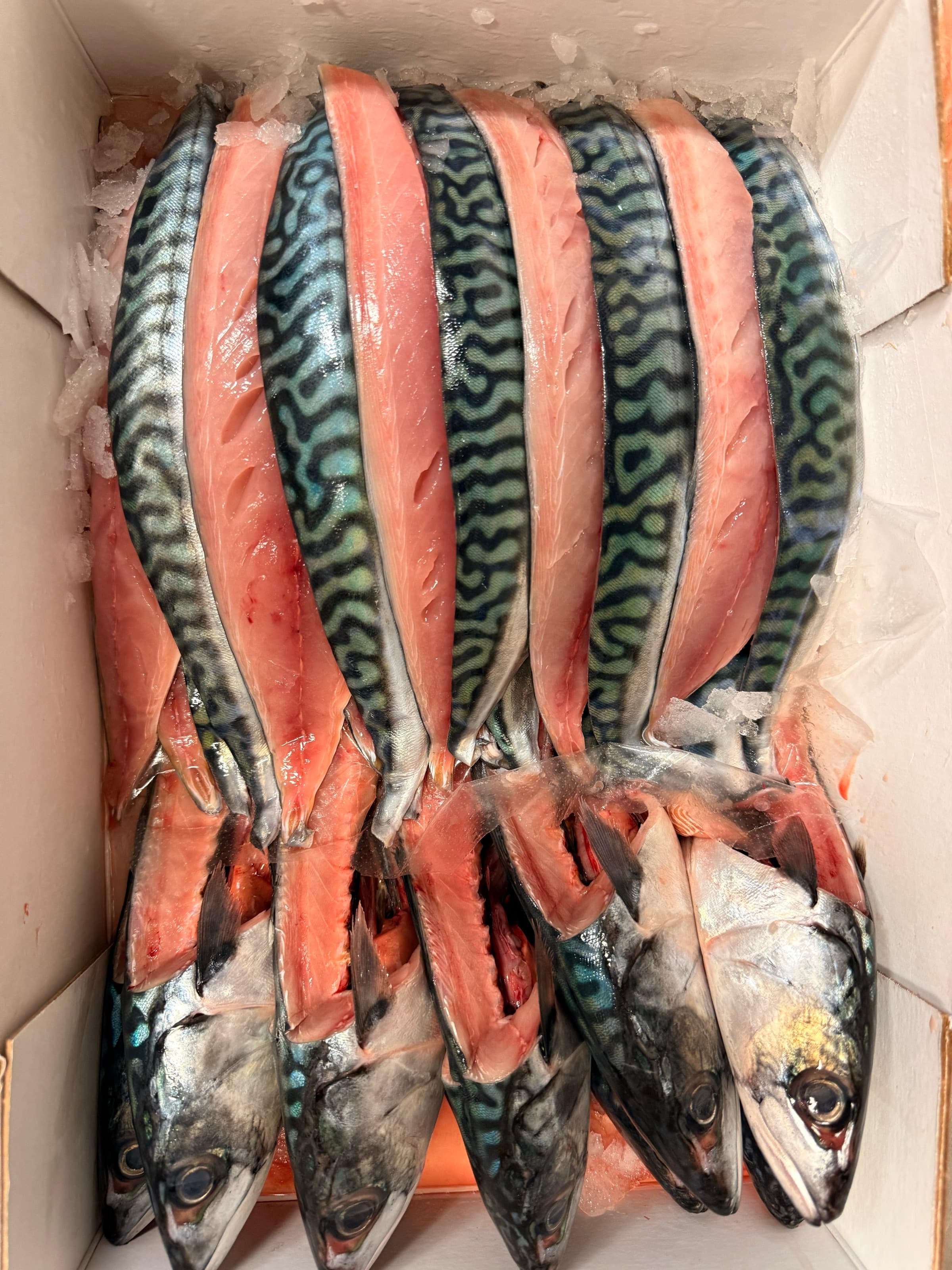
There is a moment, holding a fish that was swimming that morning, when the honest question is not what can I do to this, but what can I possibly add. Most of the time the answer is: very little. Heat, salt, perhaps a cut lemon. The rest is listening.
“The produce arrives with its own argument; the cook’s job is to make it clearly, then leave the room.”
Restraint is harder than it looks. Every cook is trained to intervene — to reduce, to garnish, to layer. It takes years to learn that a June tomato needs a knife and good oil, and that anything further is vanity. The produce arrives with its own argument; the cook’s job is to make that argument clearly and then leave the room.
This is what is meant, at Samuel’s table, by letting food speak. Not minimalism as a style, but attention as a discipline: sourcing so carefully that the ingredient can carry the plate, and then having the confidence to let it.
— Samuel